Ethereum
 Tron
Tron
 Binance
 Huobi
Huobi
 Coinbase
 Kraken
 Bitfinex
 Bitstamp




On-chain data shows the $4.5 million was first transferred from the Kraken crypto exchange, before eventually arriving at an address purportedly owned by a scammer.
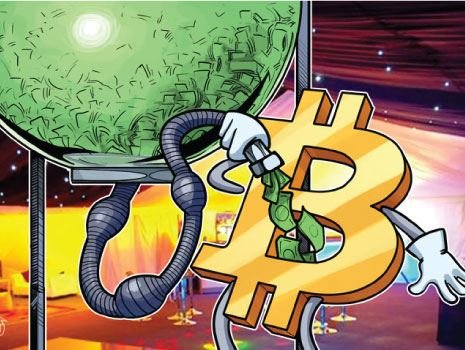
An unwitting cryptocurrency holder has reportedly fallen victim to an eye-watering $4.46 million phishing scam.
According to data from Etherscan, $4.46 million in Tether (USDT) was withdrawn from a Kraken crypto exchange wallet and eventually sent to an address ending “ACa7.”
Blockchain security firm PeckShield, has labeled the address as being owned by a phishing scammer.
Another blockchain scam platform, Scam Sniffer, suggested on Sept. 20 that the funds were sent to an address linked to a “fake Coinone crypto mining exchange."
Scam Sniffer linked to a user-created Dune Analytics dashboard, suggesting attacks of this nature have seen scammers steal approximately $337.1 million USDT in total, impacting as many as 21,953 individuals.
The Global Anti-Scam organization says this type of approval mining scam usually tricks victims into authorizing unlimited withdrawals from their cryptocurrency wallet.
“When you create a self-custody crypto wallet [...] you obtain a "private key" that is safeguarded through encryption. However, the fraudsters do not need your seed phrase,” GASO said, explaining on its website that when a victim clicks to partake in the fake mining pool, they’re clicking on a button that will request a $10 to $50 network fee in Ether (ETH).
While it seems reasonable, GASO suggests it is part of to trick the user:
“This is merely a front to obtain your digitally signed authorization, allowing unlimited access to your wallet via the USDT smart contract.”
Source: cointelegraph.com

| Coin | Change(%) | Price | Volume (24h) |
|---|---|---|---|
| Ethereum Meta (ETHM) | 0.50 | $0.000889 | $44767.6B |
| Bitcoin (BTC) | 3.25 | $88,333.29 | $24.7B |
| Ethereum (ETH) | 5.69 | $2,988.75 | $14.2B |
| Solana (SOL) | 5.95 | $126.865959 | $3.5B |
| USD Coin (USDC) | 0 | $0.999778 | $3.3B |
| XRP (XRP) | 5.01 | $1.908895 | $3.2B |
| Binance Coin (BNB) | 3.00 | $856.59 | $3.0B |
| Dogecoin (DOGE) | 8.01 | $0.132775 | $1.4B |
| TRON | 0.50 | $0.280566 | $964.5M |
| Litecoin (LTC) | 4.56 | $77.66 | $799.4M |